
Short answer
Orthodontics helps assess and, when appropriate, correct tooth position, bite and dental arch relationships. Treatment depends on age, dental development stage, tooth position, bite, gum and tooth health, hygiene, diagnostics and movement complexity. Not every irregularity automatically requires active treatment: monitoring or preparation may be the right first step.
Treatment scope
What orthodontic treatment may include
The plan is created after consultation and diagnostics. Current clinic content supports braces, aligners, plates and the retention stage.
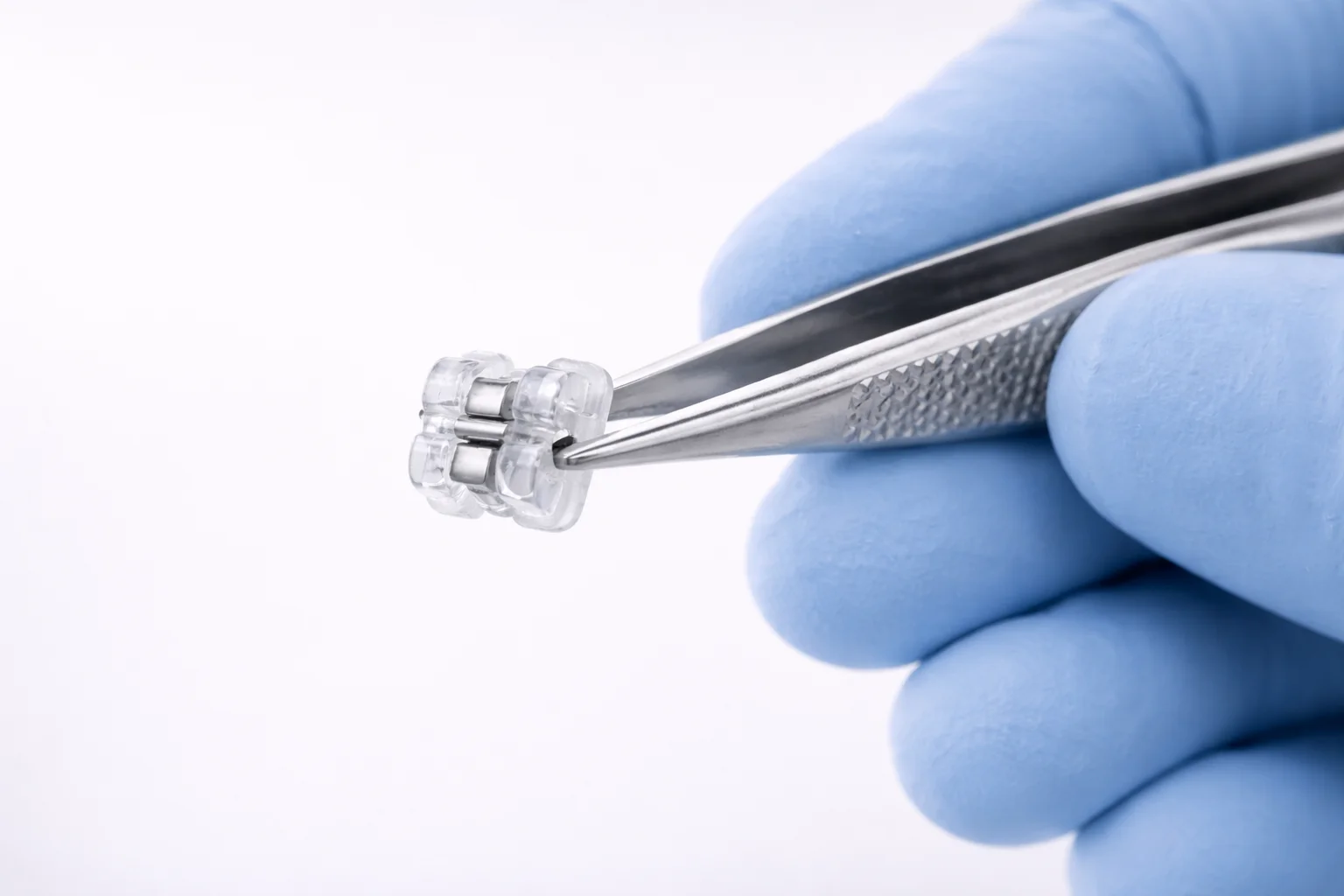
Braces
May be used to correct tooth position and bite when a controlled active treatment stage is needed.
Aligners
Considered when clear trays can match the clinical goal, wearing routine and expected tooth movements.
Plates
May be part of a child or teen orthodontic plan depending on age, jaw growth and treatment goals.
Retention stage
After active treatment, a method is selected to help keep teeth in their new position and stabilize the result.
Who may need it
Signs that an orthodontic consultation may be useful
Crowding, spacing or rotated teeth
Uneven tooth position may make hygiene more difficult and can affect appearance or chewing load.
Bite concerns
If teeth meet uncomfortably, there is tooth wear, overload in specific areas or chewing discomfort, assessment is useful.
Child or teen monitoring
For children and teenagers, consultation helps assess dental development, jaw growth and timing for possible treatment.
Preparation for another treatment
For adults, orthodontics may be part of planning before prosthodontic or aesthetic treatment if tooth position affects the result.
When to visit a dentist
- If teeth are crowded, spaced, rotated or visibly misaligned.
- When the bite affects chewing, enamel wear, speech or overall balance of the dental arches.
- For children and teenagers when it is important to assess jaw growth and choose the right treatment timing.
- For adults who want alignment before prosthodontic or aesthetic treatment.
How treatment works
01
The orthodontist performs an examination, photo records, imaging and bite analysis.
02
Based on diagnostics, a treatment option is selected: braces, aligners, plates or another orthodontic appliance.
03
During active treatment, the patient attends regular visits for monitoring and adjustment.
04
After the active phase, retention is planned to help stabilize the result.
Decision pathway
How the dentist chooses between monitoring, braces, aligners or preparation
An orthodontic plan depends on age, jaw growth, tooth position, bite, gum condition, hygiene and movement complexity. Extraction is not a routine or automatic stage.
Monitoring
If immediate treatment is not needed or the timing depends on development, the dentist may recommend observation and follow-up.
Braces, aligners or plates
Active treatment is selected after diagnostics clarify what movements are needed and which format can provide them.
Preliminary therapeutic treatment
Caries, gum inflammation, leaking restorations or other active dental problems should be stabilized before orthodontics starts.
Surgical or prosthodontic planning
If teeth are missing, tooth prognosis is uncertain or restoration is complex, orthodontic planning is coordinated with other stages.
Treatment pathway
How orthodontic treatment usually works
Consultation and diagnostics
The dentist evaluates concerns, tooth position, bite, gum and tooth health, and may use photos, imaging or other diagnostic records.
Preparation before treatment
Before an appliance, sanitation, professional hygiene, gum care or coordination with therapeutic, surgical or prosthodontic planning may be needed.
Active stage
The patient wears the selected system and attends review visits. Duration depends on complexity, age, hygiene and following recommendations.
Retention
After the active stage, a retainer or another retention method is selected, and follow-up timing is determined individually.
When treatment may not start immediately
What should be stabilized before orthodontics
Active caries or pain
Active dental problems should be treated before moving teeth so orthodontics does not begin on an unstable foundation.
Gum inflammation or weak hygiene
Orthodontic appliances require careful cleaning. If hygiene is difficult, education, gum stabilization and monitoring come first.
Timing is not right yet
For children and teenagers, it may be better to monitor jaw growth and tooth eruption instead of starting active treatment immediately.
A broader plan is needed
If teeth are missing, old restorations are present or prosthodontics is planned, orthodontics may be only one stage of treatment.
Benefits
- Improved smile aesthetics and dental arch symmetry.
- Better access for oral hygiene due to improved tooth positioning.
- Long-term control of bite and chewing load.
- Orthodontics in Kharkiv with a clear step-by-step plan for children and adults.
Related decisions
What may be needed before or alongside orthodontics
Orthodontic treatment often starts with diagnostics and preparation. This helps avoid choosing an appliance blindly and avoids treating extraction as an automatic step.
Start with consultation
A consultation helps clarify whether active treatment, monitoring or preparation is the right first step.
Dental consultationPrepare teeth and gums
Caries, root canal problems, old fillings or gum inflammation should be treated before an orthodontic appliance is placed.
Therapeutic dentistryCoordinate surgical planning
If extraction or another surgical step is truly indicated, the decision is made after diagnostics within the full treatment plan.
Oral surgeryPlan tooth restoration
For adults, orthodontics may prepare space or tooth position before crowns, veneers or prosthodontic restoration.
ProsthodonticsComfort and care
Adaptation, hygiene and retention
First adaptation period
After placement or activation, pressure or discomfort can occur. Sensations and duration depend on the method and individual response.
Daily hygiene
Braces, aligners or plates require careful care. The dentist explains how to clean teeth and the appliance.
Food and habits
During treatment, recommendations may cover food choices, wearing routine or restrictions to protect the appliance and hygiene.
Retention period
After active treatment, following retainer and review recommendations helps support the new tooth position.
Cost factors
What affects the cost of orthodontic treatment
The final cost depends on diagnostics and the treatment plan. It cannot be accurately defined only by wanting braces or aligners.
Type of orthodontic system
Braces, aligners or plates involve different technical stages, review routines and patient requirements.
Movement complexity
Crowding, spacing, bite, jaw relationships and the difficulty of reaching a stable tooth position affect the plan.
Diagnostics and preparation
Examination, imaging, professional hygiene, sanitation or related treatment stages may affect the overall budget.
Duration and review visits
Duration is not guaranteed in advance. It depends on age, complexity, hygiene, regular visits and following recommendations.
Prices
Prices White Rabbit
| Service | Price |
|---|---|
| Standard consultation | 300 UAH |
| Extended consultation | 500 UAH |
| Targeted dental X-ray | 250 UAH |
| OptraGate placement | 250 UAH |
| Rubber dam isolation | 300 UAH |
| Anesthesia | 250 UAH |
| Service | Price |
|---|---|
| Professional oral hygiene | 1900 UAH |
| Children's professional oral hygiene | 950 UAH |
| Teeth whitening course including professional and at-home whitening stages | 13000 UAH |
| Service | Price |
|---|---|
| Superficial caries treatment | 1500 UAH |
| Moderate caries treatment | 1800 UAH |
| Deep caries treatment | 2200 UAH |
| Tooth reinforcement with fiberglass material | 300 UAH |
| Protective liner | 300 UAH |
| Tooth restoration | from 2500 UAH |
| Primary root canal treatment (restoration not included) | 1500–6800 UAH |
| Root canal retreatment (restoration not included) | 2000–8100 UAH |
| Service | Price |
|---|---|
| Zirconia crown | 7900–8900 UAH |
| Ceramic crown or veneer | 8900–10000 UAH |
| Metal-ceramic crown | 4500 UAH |
| Cast metal crown | 2200 UAH |
| Impressions | 1200–2400 UAH |
| Noritake metal-ceramic implant crown | 10600–14700 UAH |
| Zirconia implant crown | 12600–16800 UAH |
| Removable acrylic denture | from 6500 UAH |
| Clasp denture | 12000–22000 UAH |
| Temporary cosmetic denture | 4500 UAH |
| Service | Price |
|---|---|
| Permanent tooth extraction | 950–2000 UAH |
| Wisdom tooth extraction | 2000–4500 UAH |
| MegaGen AnyOne implant placement | 400 USD |
| MegaGen AnyRidge implant placement | 450 USD |
| Straumann Group Neodent implant placement | 450 EUR |
| Service | Price |
|---|---|
| Pre-treatment orthodontic diagnostics | 2000 UAH |
| Braces (Korea), 1 jaw | 15000 UAH |
| Damon Q/Q2 braces (USA), 1 jaw | from 25000 UAH |
| Braces adjustment, 1 jaw | 750 UAH |
| Braces removal, 1 jaw | 1000 UAH |
| Retainer bonding, 1 jaw | 3000 UAH |
| Orthodontic mini-implant | 100 USD |
| Treatment with Trainer, LM-Activator Myobrace, Aquasplint or Aqualizer appliances | 7000 UAH |
| Treatment with a removable plate appliance | 9000 UAH |
| Diagnostics before aligner treatment | 70 EUR |
| Full course of aligner treatment | 2000–3000 EUR |
Related care
Where to go before orthodontic treatment
Dental consultation
The first step if you need to understand whether orthodontics, monitoring or another treatment direction is needed.
Go to consultationTherapeutic dentistry
Relevant for sanitation, caries treatment, root canals or old fillings before orthodontic treatment starts.
Go to therapeutic careProsthodontics
Helps coordinate orthodontics with future crowns, veneers or restoration of missing teeth.
Go to prosthodonticsOral surgery
Relevant only when a surgical stage is indicated after diagnostics and connected with the broader plan.
Go to oral surgeryHelpful reading
What to read about care and retention
Existing articles help explain oral care during orthodontic treatment and why retention matters after braces.
Services
Related services
Explore other treatment directions that are often combined with this service or help solve related dental issues.
Consultation
Dentist consultation in Kharkiv with examination, diagnostics, treatment planning and practical recommendations for adults and children.
Learn moreClear aligners
Assessment, planning and monitored treatment with removable clear aligners in Kharkiv.
Learn about clear aligner treatmentTherapeutic dentistry
Therapeutic dentistry in Kharkiv: treatment of caries, pulpitis, root canal problems and restoration of teeth with fillings and direct restorations.
Learn moreFAQ
Common questions about Orthodontics
Can adults have braces or aligners?
Yes. Orthodontic treatment is possible for adults as well, provided the dentist confirms that the teeth and gums are suitable for treatment.
Which is better: braces or aligners?
The choice depends on the clinical situation, movement goals, lifestyle and the orthodontist’s recommendation after diagnostics.
How long does orthodontic treatment take?
Treatment length is individual and depends on the starting position of the teeth, bite complexity, age and how closely recommendations are followed.
Do I need treatment before braces?
Usually yes. Before orthodontic treatment, it is important to complete sanitation, professional cleaning and treatment of active dental issues.
Is a retainer needed after treatment?
In most cases yes. Retention helps stabilize the result and keep the teeth in their new position.