
- retainers
- braces
- orthodontics
- straight teeth
- retainers after braces
- dentist Kharkiv
Introduction
Many patients think orthodontic treatment ends the day braces come off. In reality, removing braces is not the final step. After treatment comes the retention period. This stage helps preserve the position of the teeth and protects the result achieved during active orthodontic treatment.
What retainers are
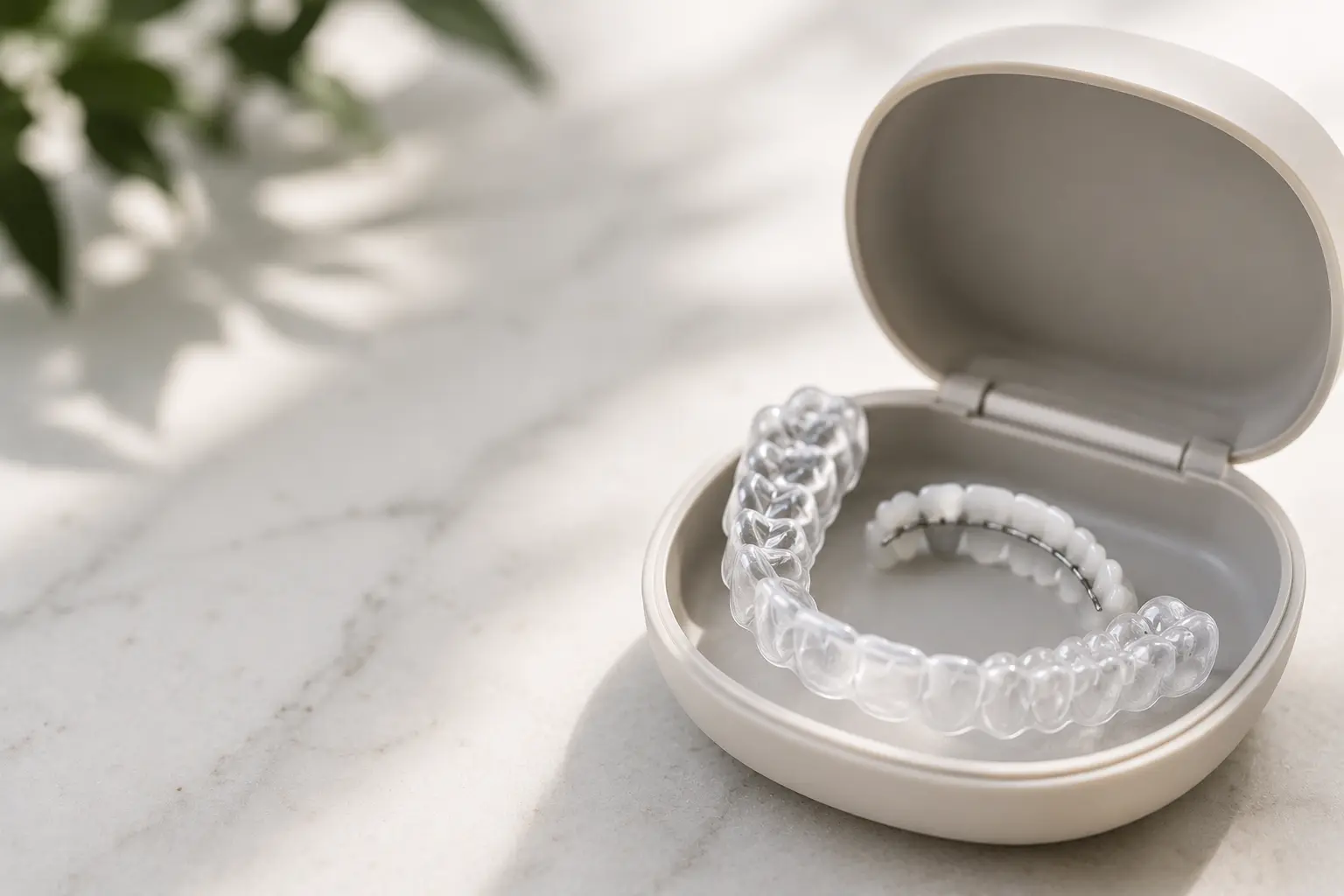
Retainers are orthodontic devices used after braces or other teeth-straightening treatments. Their main purpose is to keep teeth in their corrected position while the surrounding tissues adapt.
During orthodontic treatment, teeth gradually move into new positions. Bone tissue, gums and supporting structures still need time to stabilize after braces are removed.
Without retention, teeth naturally tend to shift over time.
Why teeth can move after braces
Even after successful orthodontic treatment, tooth position can change. Several factors may affect long-term stability:
• natural changes in the jaw over time
• individual bite characteristics
• pressure from the tongue
• chewing forces
• wisdom teeth positioning
• gum and supporting tissue condition
Small changes may seem minor at first, but they can affect both smile appearance and bite stability over time.
Types of retainers
Modern orthodontics uses different retainers depending on the patient's clinical situation, bite, oral hygiene and ability to follow the recommended wearing schedule.
Fixed retainers
A fixed retainer is usually a thin metal wire attached to the back surface of the teeth. It is nearly invisible during speech and works continuously.
Benefits of fixed retainers include:
• continuous retention
• no need for daily placement
• discreet appearance
• convenience for long-term use
Fixed retainers require careful oral hygiene, especially around the wire and between the teeth.
Removable retainers
Removable retainers include clear retainers and orthodontic plates. They can be removed for eating, cleaning or according to the orthodontist's instructions.
Benefits of removable retainers include:
• easy cleaning
• convenient daily care
• the ability to remove them when needed
Their effectiveness depends on consistency. If the recommended schedule is not followed, teeth may gradually shift.
How long retainers should be worn
The exact retention period is determined individually by the orthodontist. Traditionally, some patients were advised to wear retainers for about twice as long as their braces treatment lasted.
Today, many orthodontists take a longer-term view because teeth and jaw structures continue changing throughout life. For a stable result, retention may need to continue for a long time.
The right schedule depends on age, initial tooth position, bite, type of retainer and the dentist's clinical recommendations.
What to do
After braces are removed, it is important to move directly into the retention stage. A long break between finishing active treatment and starting retention can increase the risk of tooth movement.
Patients should:
• follow the recommended wearing schedule
• avoid stopping use without consulting an orthodontist
• keep up with careful home hygiene
• attend follow-up appointments
• contact the clinic if a retainer breaks, detaches or stops fitting properly
When to see a dentist
Book a dental visit if:
• your retainer is damaged or uncomfortable
• you feel pressure or pain that does not settle
• your teeth appear to be shifting
• a removable retainer no longer fits closely
• cleaning around a fixed retainer has become difficult
• you have not had a follow-up visit after braces for a long time
Early assessment helps protect the orthodontic result and prevents small issues from becoming harder to correct.
Treatment options
FAQ
Questions about Retainers After Braces: Why They Matter
Are retainers visible?
In most cases, they are not very noticeable. Fixed retainers are placed behind the teeth, while many removable clear retainers are almost invisible.
Is wearing retainers painful?
Usually no. Some patients notice a short adaptation period, but strong pain is not expected.
Can I remove retainers myself?
Only removable retainers should be removed independently. A fixed retainer must be adjusted or removed by a dentist.
Can teeth become crooked again?
Yes. Without proper retention, teeth can gradually shift, gaps may appear, crowding may return or bite changes may develop.
Book a consultation
Book a consultation at White Rabbit Dental if you need a retainer after braces, want to check an existing retainer or need personal advice about the retention period.
Book a consultation to get individual recommendations and the next best step for your smile.
Conclusion
Straight teeth are not only the result of braces. Maintaining that result matters just as much. Retainers help protect the time, effort and investment that went into orthodontic treatment. The best wearing schedule is always individual, so it is important to follow your orthodontist's instructions and attend follow-up visits.
Next steps