
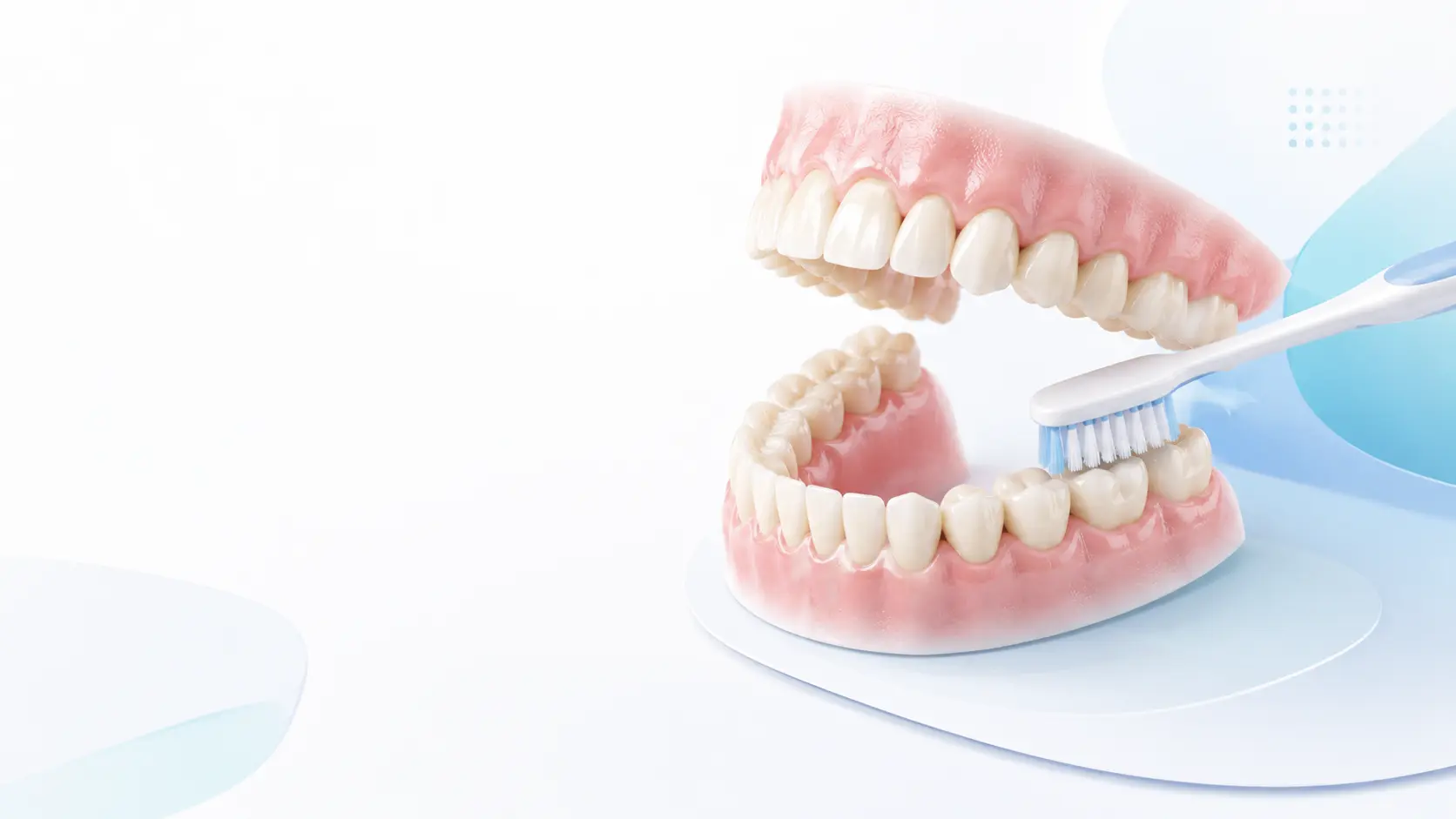
- how to brush teeth
- oral hygiene
- dentist Kharkiv
- caries prevention
Introduction
Brushing seems simple, but many patients still miss plaque around the gumline, rush through the process or use a technique that does not clean effectively. Good oral hygiene depends on both regular brushing and the right method.
Why brushing technique matters
Correct brushing helps remove plaque, reduce the risk of tooth decay and support healthy gums.
If plaque stays on the teeth for too long, it can lead to caries, gum irritation, tartar build-up and unpleasant breath.
The key steps of proper brushing
Start by cleaning between the teeth, hold the toothbrush at an angle near the gums, and brush for at least two minutes.
It is also important to clean the tongue and not apply too much pressure, especially if your gums are sensitive.
Common brushing mistakes
Many people brush too quickly, scrub too aggressively, ignore the back teeth or skip flossing altogether.
These mistakes reduce the effect of home care and may contribute to gum irritation or enamel wear over time.
What to do
If you are unsure whether you are brushing effectively, review your routine step by step and pay attention to the areas you usually miss.
In many cases, small technique corrections make a visible difference to oral hygiene and gum comfort.
When to see a dentist
It is worth seeing a dentist if:
• your gums bleed while brushing
• plaque keeps returning quickly
• your teeth feel sensitive
• you are not sure whether your home care routine is effective
Treatment options
FAQ
Questions about How To Brush Your Teeth Properly: Daily Tips
How often should I brush my teeth?
Twice a day is the standard recommendation, ideally in the morning and before bed.
Is a manual or electric toothbrush better?
Both can work well when used correctly. The best option depends on your routine, dexterity and the dentist's advice.
Do I really need floss?
In most cases yes. Floss or other interdental tools help clean areas a toothbrush cannot fully reach.
Why do my gums bleed while brushing?
Bleeding can be a sign of gum inflammation or trauma from poor technique. If it continues, it is worth scheduling a dental check-up.
Book a consultation
Book a consultation if you want personalised recommendations on brushing technique, hygiene products and prevention.
Book a consultation to get individual recommendations and the next best step for your smile.
Conclusion
Proper brushing is a simple everyday habit that has a real impact on oral health. If you are not sure whether your technique is effective, a dental consultation can help you adjust your routine before more serious problems appear.
Next steps