
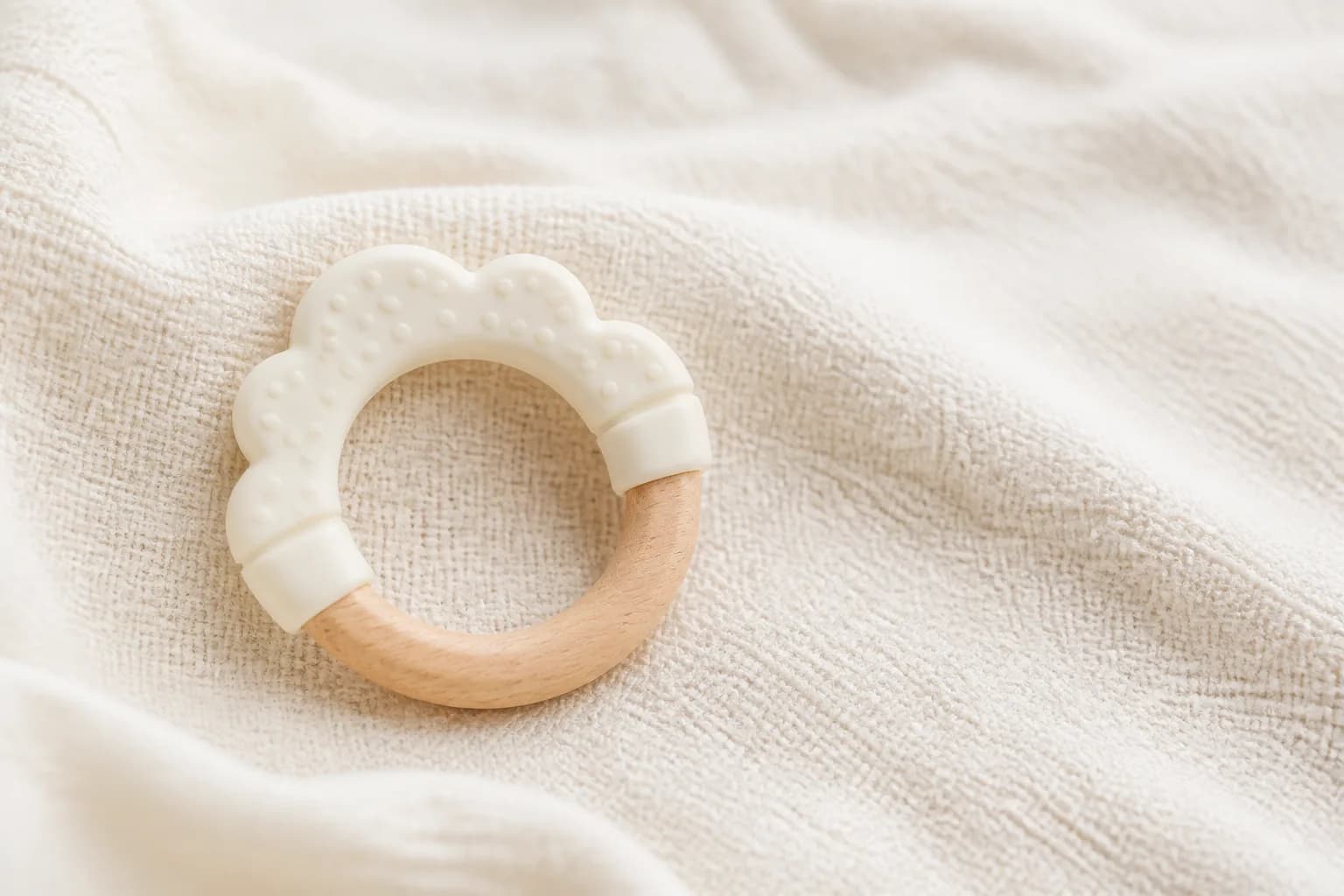
- teething babies
- baby teeth symptoms
- pediatric dentist Kharkiv
- infant teething
Introduction
Teething is a natural stage in a child's development, but it can be stressful for parents because discomfort, sleep changes and mild temperature rises often happen at the same time. The main goal is to understand what usually fits the normal teething pattern, what may point to another illness and when it is better to ask a pediatrician or dentist for advice.
How baby teeth develop
Baby teeth begin forming before birth. The first stages start during pregnancy, and mineralization continues as the child grows.
This development does not stop when the baby is born. The roots, jaw and future permanent teeth continue changing throughout childhood, so timing can vary from child to child.
When babies usually start teething
For many babies, the first tooth appears between 3 and 12 months. Some children start earlier, while others need more time.
Occasionally, a baby is born with one or two teeth. This can still be a normal variant, but the child should be checked if the tooth is loose, interferes with feeding or irritates the mouth.
When teething may be delayed
Parents should pay attention if a full-term child has no erupted teeth by about 18 months.
Delayed teething does not always mean a serious problem, but it is a reason to consult a specialist and check the child's general development, oral cavity and tooth buds if needed.
Common teething symptoms
During teething, babies may have disrupted sleep, irritability, increased drooling and a stronger desire to chew on fingers, toys or teething rings.
Some children also have redness around the mouth, mild gum swelling, short-term refusal of solid food and a slight temperature rise below 38°C.
Symptoms that are not typical for teething
High fever, vomiting, diarrhea, cough, runny nose or a severe widespread rash should not be explained only by teething.
These symptoms may be caused by a viral illness or another condition. In this situation, parents should contact a pediatrician instead of treating the symptoms as a normal part of tooth eruption.
Why timing can be confusing
Many infections and developmental changes happen during the same months when the first teeth appear. This makes it easy to connect every new symptom with teething.
If a symptom appears during teething, it does not automatically mean teething caused it. The child's overall condition, hydration, behavior and temperature matter more than the calendar alone.
What to do
To reduce discomfort, parents can offer safe teething toys, keep the mouth clean, gently wipe drool from the skin and make sure the child drinks enough fluids.
It is better to avoid aggressive gels, unproven home remedies and any medication that was not recommended by a doctor for the child's age and condition.
When to see a dentist
Book a consultation if:
• teething is delayed
• a tooth appears unusually positioned
• the gums look strongly inflamed
• the child has feeding difficulties related to the mouth
• you want practical guidance on cleaning the first teeth
For high fever, vomiting, diarrhea, cough or general weakness, contact a pediatrician first.
Treatment options
FAQ
Questions about Teething in Babies: Symptoms and When to See a Doctor
Is fever normal during teething?
A slight temperature rise can happen, but fever above 38°C is not usually considered a normal teething symptom and should be discussed with a pediatrician.
Do all babies have the same teething symptoms?
No. Some babies have noticeable discomfort, while others go through teething with only minor changes.
Does teething require treatment?
Usually no. Most children need supportive care, gentle hygiene and observation rather than dental treatment.
When do the first baby teeth usually appear?
The first teeth often appear between 3 and 12 months, but individual timing can vary.
When should a child first see a dentist?
Parents can book a first dental visit when the first teeth appear or earlier if they have concerns about the gums, feeding or tooth eruption.
Book a consultation
Book a consultation if your child's teething seems delayed, unusual or difficult, or if you want clear guidance on caring for the first baby teeth.
Book a consultation to get individual recommendations and the next best step for your smile.
Conclusion
Teething is usually a normal process, but it should not be used to explain every symptom. Mild discomfort, drooling and chewing are common, while high fever, digestive symptoms or respiratory signs need separate medical attention.
Next steps